February 05, 2024
Dear Readers,
Generally, the transmission of power is the movement and transfer of the energy or power from the original place or the origin of the generation point to the required location, which is actually applied to perform different types of work either in a circular or linear direction. There are four types of power transmission: mechanical power transmission, electrical power transmission, hydraulic power transmission, and pneumatic power transmission.
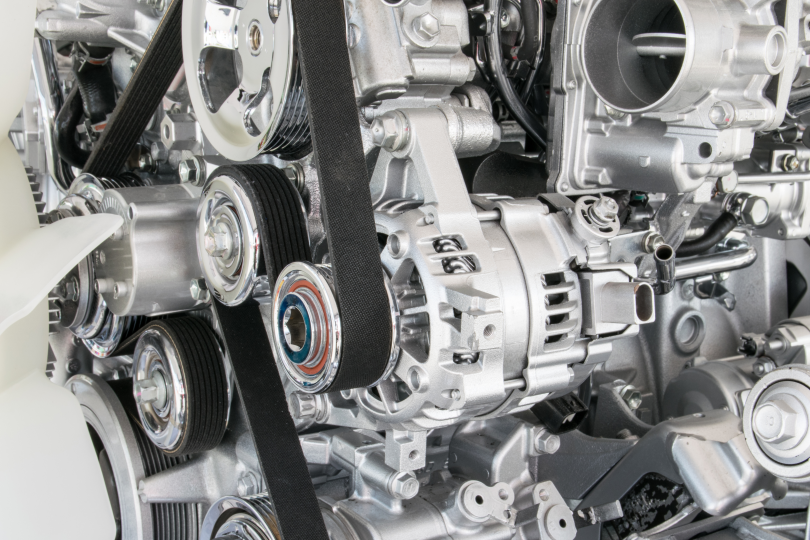
Mechanical power transmission has taken place by introducing different power transmission components such as shafts, gears, couplings, chains, and automotive belts made of rubber. The selection of power transmission components to achieve mechanical power transmission depends on various engineering factors such as application, load, speed of revolution, friction, location of fitment, etcetera. Generally, mechanical power transmission to a particular location has been achieved through the different types of automotive belts, which come under the group of power transmission components made out of a compound prepared with a mixture of synthetic rubber and chemical ingredients and weaved along with fabrics, cords, adhesives, and steel wires.
There are a wide range of belts made of rubber used to transmit mechanical power, including flat belts, O-belts, V-belts, raw edge cogged belts, poly-vee grove belts, and timing belts. Out of different types of belts made of rubber, here I would like to describe three belts, namely raw edge cogged belts, poly-vee grove belts, and timing belts, since these three types are now playing a vital role in every sector of industry.
Raw Edge Cogged Belts:
Raw edge cogged belts are improved versions of standard, conventional V-belts generally used for mechanical power transmission in rotary form between two rotating pulleys with V-shape groves on their periphery with comparable efficiency, and they are simply known in the market as REC belts made out of a compound prepared with a mixture of synthetic rubber and chemical ingredients and weaved together with fabrics, cords, and steel wires. The curve of the cogs in the inner peripheral surface of the raw edge cogged belts is the highlight of the belt, which decreases bending resistance and allows the belt to run smoothly at high speed on even small pulleys without physical damage.
Another advantage of the contour of the cogs on the inner peripheral surface of raw edge cogged belts is that it minimizes heat dissipation during operation, reducing heat transported to the outside of the machine. Raw-edge cogged belts are used to reduce mechanical losses, increase machine efficiency, and lower working temperatures. In comparison to ordinary belts, these sorts of belts are virtually always employed in light, moderate, and heavy industrial applications.
Poly-Vee Groove Belts:
Poly-vee groove belts are an enhanced version of flat cord-reinforced transmission belts that are commonly used for mechanical power transmission in rotational form between multi-rotating pulleys with numerous triangular grooves. A single, thin, flat, continuous belt with several triangular grooves and a top angle of 40 degrees, defined as poly vee groove belts, is used to drive multiple pulleys placed in the machine assembly at high speed and with increased tension.
The poly-vee groove belts are used to reduce slip, mechanical losses, the working temperature, noise, and improve machine efficiency, belt life, bearing life, etcetera. These types of belts are almost always used in light, moderate, and heavy industrial applications in comparison to conventional belts.
Timing Belts:
A single, thin, flat, continuous belt with multiple rectangle teeth in a horizontal plane at a perfect pitch distance on the inner surface of the belts, defined as timing belts, is used to drive pulleys made of the same profile teeth with the same pitch distance on the outer peripheral surface fitted in the machine assembly. It runs at variable speed in a perfect time gap without slip and with higher tension.
Timing belts are used to eliminate slip, backlash, mechanical losses, operating temperature, noise, enhance machine efficiency, belt life, bearing life, and so on. This belt is used to rotate the crank shafts of engines, and the machines work on servo motors and controls rather than other engineering parts like cams, chains, and gear.
Manufacturing molds with teeth, mixing, blending, calendaring, building cords, fabrics, vulcanizing, cutting, grinding, and so on are all expensive processes, and facilities have been introduced to manufacture timing belts in order to control vital features such as tension or reinforcement, thickness, and profile of teeth.
Inthis Situation,
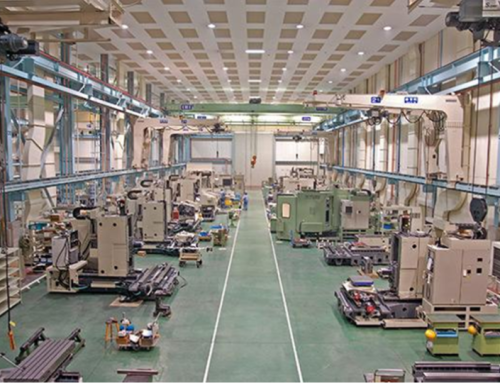
There are a number of manufacturers with varying production capacities all over the world producing different sizes of raw edge cogged belts, poly-vee groove belts, and timing belts, introducing conventional and non-conventional technologies as well as appropriate production facilities, and heavy competition between manufacturers exists in the global market.
The quality of power transmission belts is determined by the raw materials, rubber compound, mold, and expensive production processes such as mixing, blending, calendaring, building cords, fabrics, vulcanizing, cutting, grinding, etcetera, and facilities introduced to manufacture belts in order to control vital features such as tension or reinforcement, thickness, and profile of teeth at constant pitch distance. Similarly, the cost of producing transmission belts determines the amount to which all inputs are saved, as well as the elimination of rejects and arduous operations.
SUMMARY
There is always a market for power transmission belts in many sectors of industries.
Out of numerous power transmission raw edge coggled belts, poly-vee grove belts and timing belts will have a great market opportunity globally.
The quality of transmission belts depends on the quality of the production technologies, raw materials, production facilities, and testing facilities introduced.
The cost of producing transmission belts determines the amount to which all inputs are saved, as well as the elimination of rejects and arduous operations.