June 06,2026
Dear Readers,
This post provides as much information as possible about one of the most important organs of the body, the lungs, its functions, related diseases, and a medical handheld device that is widely used in the daily lives of many people who suffer from lung-related problems such as allergies, irritation, shortness of breath, and chronic respiratory disorders.
Oxygen serves as the fuel required to burn the food consumed by humans, converting it into chemical energy. Human body cells require chemical energy to carry out three vital types of functions: performing metabolic reactions, transporting essential substances across cell membranes, and executing mechanical tasks such as the functioning of muscles and nerves.
Carbon dioxide is a waste product generated in the human body through the metabolism of carbohydrates, fats, and amino acids during cellular respiration. It regulates the pH level of the blood (potential of hydrogen; values above 7 indicate acidity, 7 indicates neutrality, and values below 7 indicate alkalinity); therefore, it must be removed from the blood before it reaches harmful levels.
The lungs are one of the essential organs used for respiration and waste management in humans and animals. The lungs are a pair of spongy organs located on either side of the chest above the diaphragm and protected by the rib cage. Of these lungs, the right lung in humans is slightly wider and shorter than the left lung.
In general, a man’s lungs can hold more air than a woman’s lungs. Similarly, at rest, a man can hold approximately 750 cc of air and a woman can hold 395 cc of air in their lungs. A study suggests that a normal person with healthy lungs, even during maximum exercise, uses only 70% of their lung capacity.
According to a study, newborns take an average of 40 breaths per minute, while adults take 15-20 breaths per minute. The lungs are divided into different sections called lobes, which are separated by slits. The right lung is divided into three sections: the upper lobe, the middle lobe, and the lower lobe. The left lung is divided into two sections: the upper lobe and the lower lobe.
In order to exchange gases, two types of activities, inhalation and exhalation, take place continuously in the lungs. Oxygen inhaled by the lungs reaches the tissues and organs throughout the body through the nose, trachea, bronchial tubes, bronchioles, capillaries of the air sacs, and the heart. When oxygen mixes with the bloodstream, carbon dioxide in the blood passes through the air sacs and is expelled from the body through exhalation.
Lung function plays an important role in keeping everyone healthy. In addition to aging, the lungs are commonly affected by acute respiratory diseases caused by allergens, bacteria, and viruses, as well as chronic respiratory diseases caused by smoking and polluted work environments. These diseases are especially caused by asthma, tuberculosis, chronic obstructive pulmonary disease, and lung cancer.
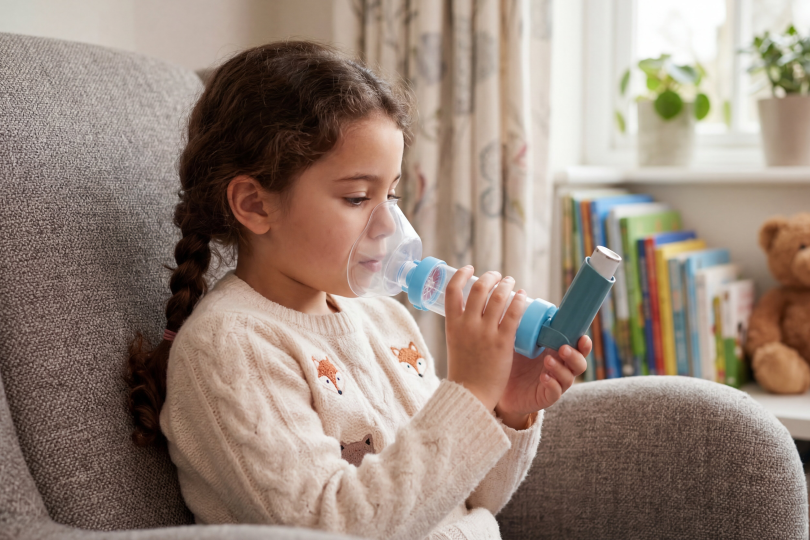
Asthma and chronic obstructive pulmonary disease (COPD) are major respiratory diseases. They cause inflammation and narrowing of the airways in the lungs, making it difficult for affected patients to breathe. No complete cure for COPD has been found in allopathic medicine yet. But currently, both asthma and COPD are managed with various types of inhalers such as metered dose inhalers, dry powder inhalers, Respimat device or soft mist inhalers.
With the help of modern technologies and manufacturing facilities, reusable metered dose inhalers and dry powder inhalers are being mass-produced and continuously used by many companies around the world to temporarily manage respiratory problems caused by various lung diseases.
In this context, through my ongoing research, I have developed designs and technologies for two advanced handheld devices that achieve three key advances that ensure further improvement in overall quality by further increasing the purity of the inhaled drug, further increasing the dose of inhaled drug with less loss, and further reducing the human effort required to inhale the drug with each attempt to use the inhalers. I believe that these devices will play a key role in dealing with these problems more effectively until a permanent solution is found for lung diseases.
SUMMARY
The lungs are one of the most important organs that provide our body with the oxygen it needs and continuously remove harmful carbon dioxide from the body. The size and capacity of the lungs in men (750cc) are larger than those in women (395cc). According to a study, children breathe an average of 40 times per minute, whereas adults breathe only 15-20 times per minute. Furthermore, 70% of lung capacity is used only during periods of maximum stress on the body, such as during strenuous exercise. Lungs are greatly affected by pollution, infections, and smoking. Diseases such as allergies, asthma, chronic obstructive pulmonary disease (COPD), tuberculosis, and lung cancer severely affect the lungs and human life. To date, there is no complete cure for these lung diseases in allopathic medicine. However, due to continuous research, the effects of these diseases can be controlled through various medicines and medical devices. As a result, portable devices like metered dose inhalers and dry powder inhalers play a vital role in combating these afflictions. In this regard, through my research, I have designed and developed an improved version of the existing handheld inhalers to further improve the overall quality by further increasing the purity of the inhaled medication, reducing losses and increasing the amount of medication inhaled, and reducing the manual labour required to inhale the medication. I firmly believe that until a permanent solution to lung diseases is found in allopathic medicine, these improved devices will play a vital role in dealing with these problems more effectively.