January 15, 2024
Dear Readers,
Generally, the administration of liquid medicines works faster than that of solid medicines. Similarly, the administration of liquid medicines by injection works faster than the oral administration of liquid medicines. So that in every medicinal center, there are different types of syringes used to inject the liquid medicines into the human and animal bodies.
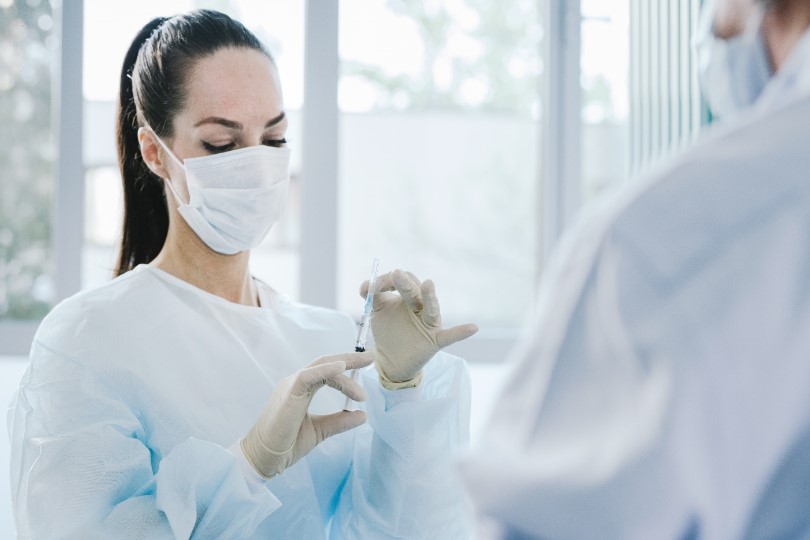
The injection of liquid medicine into the body of a human or animal is the technique of filling the required quantity of medicine or drug in a transparent barrel by suction and gently sending the same medicine into the human or animal’s body through the hypodermic needle.
The method of injection varied depending on two factors: the medicine to be injected and the point of location of the body. Generally, the injection of any medicine into the body is done by qualified personnel in four ways: intramuscular, subcutaneous, intravenous, and intradermal.
The intramuscular method of injection is the technique of delivering or sending liquid medicine deep into the muscles while maintaining an angle of 90 degrees. This method of injection allows the blood stream to absorb the medicine quickly. The vaccine, like the flu, is injected through the intramuscular method.
The subcutaneous method of injection is the technique of delivering or sending liquid medicine between the skin and muscle, maintaining an angle of 45 degrees. This method of injection allows the blood stream to absorb the medicine slowly. The insulin was injected through the subcutaneous method.
The intravenous method of injection is the technique of delivering or sending liquid medicine directly into the vein, maintaining an angle of 25 degrees. This method of injection allows the blood stream to absorb the medicine very quickly. During the loss of water, the electrolytes are continuously sent through the intravenous method.
The intradermal method of injection is the technique of sending liquid medicine into the dermis located between the epidermis and the hypodermis at an angle of 5–15 degrees. This method of injection allows the blood stream to absorb the medicine very slowly. The medicines for testing purposes were injected through the intradermal method.
The disposable syringes are an improved version of the syringes made out of glass. These disposable syringes were developed to eradicate the spread of all infections due to bacteria and viruses through the use of glass-made syringes. The disposable syringe is a simple hand-operated reciprocating pump made of medical-grade transparent plastic, synthetic rubber, and stainless steel. The disposable syringe consists of a plunger, barrel, gasket, adaptor, needle, and needle protector cap.
As we very well know, disposable syringes made out of different polymers and steel alloys play a crucial role in each and every medical and zoological sector around the world in order to prevent contamination hazards, and the requirement is very high.
As a result, a number of manufacturers worldwide are producing a wide range of disposable syringes under various brand names in order to meet the increased demand.
It is important that the disposable syringe assembly be manufactured with the utmost care and without compromising its quality since it plays a crucial role in the valuable lives of humans and other living beings.
The overall quality of the disposable syringe assembly mainly depends on the perfection of the product or part design, the quality of the raw material used, the appropriate method of manufacturing, and the method of high-degree sterilization.
The above-mentioned key features of quality assurance in disposable syringe assembly are based on a number of factors, like the physical and chemical properties of the medicine taken for injection, medical practitioners, researchers, the field of application, etcetera.
A lack of quality in any disposable syringe assembly, regardless of the end field of application, can result in unsatisfactory results, unexpected negative effects, total damage, and fatal errors.
SUMMARY
It is necessary to consider the physical and chemical properties of the medicine administered.
The manufacturer must consider the perfect part or product design.
The manufacturer must consider the quality of the raw material.
The manufacturer must consider appropriate manufacturing methods.
The manufacturer must consider the high degree of sterilization methods.