February 08, 2024
Dear Readers and Viewers,
A natural, spongy material known as coco peat links the fibers of the coconut husk together, preserving moisture and assisting the development of coconut fruits at various temperatures. This coco peat, sometimes called coir peat or coir pith, is a byproduct obtained when the fiber from the coconut husk is separated. It’s then stored in heaps in order to be used for different agricultural purposes.
The creation and utility of coco peat stored in heaps are some of the evidences for the approach to modern agricultural operations. Cocopeat is a soil medium and a substitute for peat moss. Coir peat has a higher water-holding capacity than soil. Coir peat has been used to germinate seeds in horticulture and floriculture. This is one of the decomposable ingredients used to make organic manure, and the ultimate uses of coir pith in modern agriculture have shown it to be versatile.
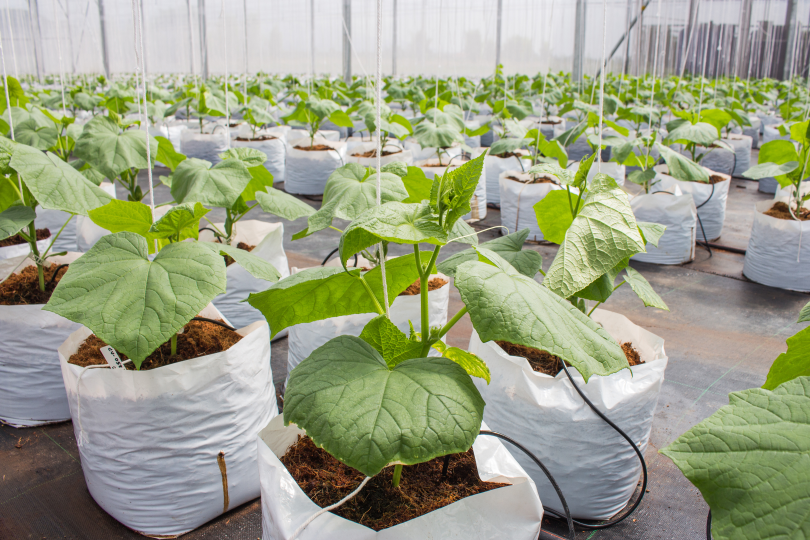
The coir peat is converted into different sizes of blocks and growing bags according to the requirements. Before being turned into a final product, the coir peat in the heaps is sieved, cleaned, washed, and dried to remove foreign bodies and weed seeds and maintain chemical properties such as hydrogen ion concentration and electric conductivity. The grow bags are huge, thick plastic bags filled with coir peat that are used to grow plants like tomatoes, cucumbers, eggplants, etc. Cultivating through grow bags is an effective method for cultivating a wide range of plants in greenhouses. These grow bags are filled with coir-peat, and a blend of nutrients tailored to the plant in question.
Because of its unique features and benefits, which make it excellent for all sorts of agriculture, I did a thorough study (over 25 years) from the outset to the latest production technologies and found the following facts related to affecting the resource, productivity, and quality: massive floor space necessitating diverse processes such as cleaning, washing, and drying; huge raw material wastage during each process; reduced water holding capacity due to structure damage caused by existing technologies such as washing, drying, baling, and compressing; no output during the rainy season; increased labor head counts; and decreasing quality.
In view of the aforementioned factors impacting coco peat production, I am pleased to inform you that I have designed and developed improved technologies for the entire process and suitable manufacturing facilities from start to finish so that the manufacturer can further achieve the following remarkable benefits: 1) reduction of 50–60% floor area; 2) reduction of 25–40% wastage; 3) increment of 20–40% water holding capacity; 4) constant production around the year; 5) reduction of 40–50% manpower; 6) increment of 20–40% total product quality.
SUMMARY
Coir pith is a natural byproduct obtained when the fiber from the coconut husk is separated.
The business of coir pith around the world has wide chances in agriculture due to its higher water-holding capacity than soil.
The treated coir pith is then compressed into different sizes of blocks and grow bags in order to reduce transport costs.
There are numerous hurdles, such as monsoon, floor space, manpower, handling, wastage during the process, and cost of production, considered to be the main disadvantages.
The improved process technology and design of manufacturing facilities (developed based on 25 years of research) will significantly reduce all hurdles, including the waste of resources.