
January 23, 2024
Dear Readers,
Through this blog, I would like to discuss with you one of the improved versions of transport, which is related to electric vehicles rather than the fossil fuel-powered vehicles that are playing a vital role in the automobile sector at present.
Research, development, and production of vehicles that run on roads partially, mostly, or totally on electricity are currently receiving a lot of attention from the automotive industry globally due to the known reasons for the increasing price of fossil fuels and emissions of pollution.
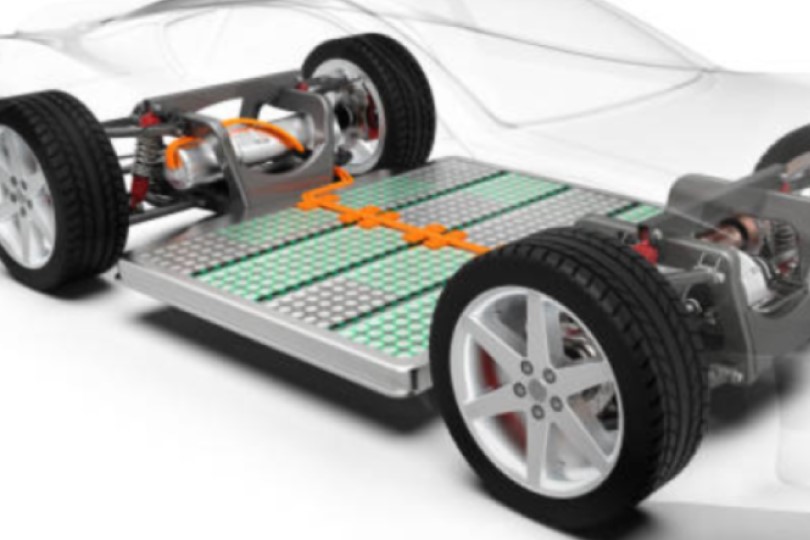
As a result, long-lasting rechargeable lithium-ion batteries and suitable electrical drives have been developed and installed in vehicles instead of fossil fuels, IC engines, and the gearbox assemblies that are used for power transmission.
There is no doubt that in the future, all sorts of electric vehicles are gradually going to play a vital role in transportation. There is also no doubt that electric vehicles are not going to emit harmful gases like vehicles operated on fossil fuels.
But the questions are: 1) how are we going to generate the increasing electricity to balance the input for the electric vehicles?; 2) what about the perfect procedure of segregation and purification of lithium from the ore?; 3) the perfect method of manufacturing lithium-ion batteries?; 4) the perfect procedure of collection, storage, recycling, and disposal of by-products during recycling?; 5) the effect of emissions to the environment during recycling related to the waste of batteries used in electric vehicles after some years?.
The aforesaid questions have arisen in society due to the following studies done by different experts relating to the vehicles that operate on electricity:
According to a study on electric power requirements and generation, the main input of electricity required for a car used to travel for four people is equal to the requirement of five houses to accommodate five persons.
According to a study on health, lithium: 1) can affect living organisms when inhaled; 2) can severely irritate and burn the skin and eyes; 3) can irritate the lungs; 4) can cause pulmonary edema with higher exposure levels; 5) can cause nausea and vomiting as well as loss of appetite; 6) can cause headache, muscle weakness, loss of coordination, confusion, seizures, and coma; and 7) may affect the thyroid gland, kidneys, and liver.
According to a study on precaution, the composition of lithium-ion batteries is what makes them dangerous. They can overheat, leak, or explode, which can lead to circumstances that are extremely risky and even fatal.
According to a study on the environment, lithium-ion batteries may significantly contribute to environmental pollution and have negative effects on human health owing to their potentially dangerous components because there is no universal regulatory and execution policy for their disposal.
According to a study on resources, lithium-ion batteries are formed of elements including cobalt, graphite, and lithium, which are regarded as essential minerals. The term “critical minerals” refers to raw commodities of significant global economic and strategic importance, a high risk of supply disruption, and no readily available alternatives. We completely lose these valuable resources when we throw away these batteries.
Considering the aforesaid facts, it is confirmed that the success of electric vehicles does not fully depend on the manufacturers of the vehicles but rather only depends on four success factors: 1) the success of the generation of increasing electric power generation; 2) the success of safe methods of excavation, segregation, and purification of lithium from the ore; 3) the success of safe methods of manufacturing lithium-ion batteries; and 4) the success of safe methods of disposal and recycling of battery waste without having any negative effects on the environment or any living thing.
SUMMARY
The success of e-vehicles depends on the safest method of generating the required electricity with no side effects on the environment.
The success of e-vehicles depends on the safest method of excavation, segregation, and purification of lithium from the ore with no side effects on the environment.
The success of e-vehicles depends on the safest method of manufacturing lithium-ion batteries with no side effects on the environment.
The success of e-vehicles depends on their manufacturers introducing suitable technology to compensate for the inbuilt and increasing temperature of the atmosphere with no side effects on the environment.
The success of e-vehicles depends on the safest method of collection, storage, and recycling of used lithium-ion batteries with no side effects on the environment.
The success of e-vehicles totally depends on the execution of quality policies, rules, and strict follow-up by a special, global regulatory body, starting from the ore to the recycling of lithium-ion batteries.